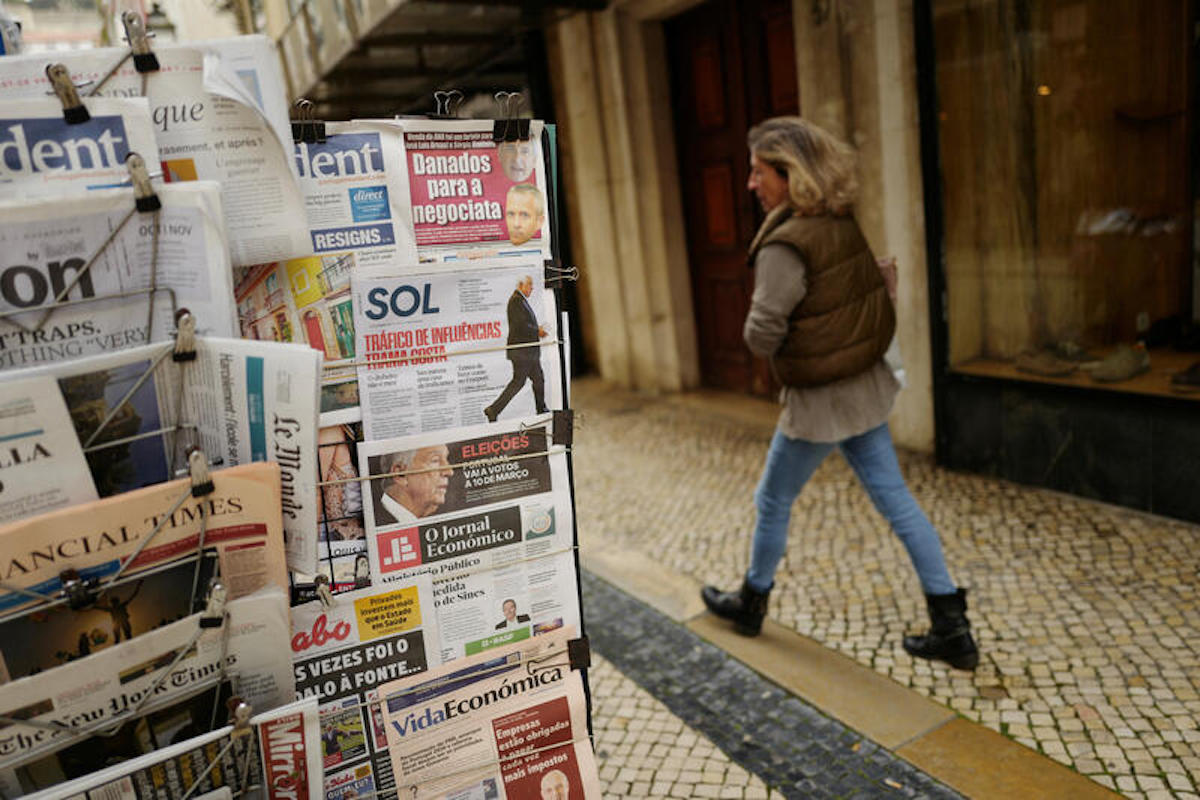
Every few years, the world witnesses a spectacle that combines democracy with economic drama—the election season. While politics often steal the spotlight, their influence on financial markets is equally compelling. Investors, traders, and everyday savers all feel the ripple effects of campaign promises, candidate debates, and election results. But how exactly do these political events sway market trends? Let’s embark on a cheerful journey through the colorful dance between election cycles and economic currents.
Riding the Political Wave: How Election Seasons Shake Up Market Trends
Election seasons are like unpredictable weather patterns for the financial world—full of surprises and shifting forecasts. As candidates gear up and campaigns heat up, markets often experience heightened volatility. Investors tend to become more cautious, hedging their bets or moving assets around in anticipation of policy changes or government shifts. For example, sectors such as healthcare, energy, or defense may see sharp swings depending on which candidate is leading the polls. The uncertainty brings a rollercoaster of buying and selling, making the market a lively, if sometimes nerve-wracking, arena.
During these times, market sentiment can fluctuate wildly—sometimes driven more by speculation and gossip than by solid economic fundamentals. The lead-up to elections often prompts investors to retreat into safer assets like gold or government bonds, seeking stability amid the chaos. Conversely, positive polling data or clear election outcomes can trigger sudden rallies, as investors feel more confident about the future. This dance of optimism and trepidation creates a vibrant, unpredictable pattern that keeps everyone on their toes.
Post-election, the market’s mood often shifts in accordance with the newly elected leadership’s policies and promises. If the result aligns with investor expectations, markets tend to stabilize and even rally, reflecting a sense of clarity and direction. Conversely, unexpected results or contentious elections can prolong uncertainty, delaying economic decisions and dampening growth prospects. Overall, election seasons inject a lively rhythm into market trends—sometimes a gentle sway, other times a full-blown storm.
From Ballots to Bull Markets: Decoding Election Cycles and Financial Flows
At the heart of the matter, election cycles act as catalysts that can accelerate or stall economic momentum. Historically, markets have shown a pattern of responding positively to pro-growth policies promised during campaigns, especially when voters favor business-friendly platforms. Conversely, elections that threaten regulatory overhauls or increased taxes may cause investors to hold back, fearing future constraints. This push and pull between expectations and reality creates a fascinating ebb and flow in financial flows.
Interestingly, certain sectors tend to be more susceptible to election influences than others. For example, tech companies might surge when candidates promote innovation-friendly policies, while renewable energy firms could benefit from green initiatives announced during campaigns. Similarly, infrastructure projects often see a boost when politicians campaign on promises of investment in public works. By observing these patterns, savvy investors can decode the signals hidden within election cycles and position themselves for potential gains.
Moreover, election years are often associated with increased government spending and policy shifts, both of which can ignite economic growth or lead to turbulence. For instance, a new administration might roll out stimulus packages or deregulation efforts that stimulate markets, or introduce tariffs and trade restrictions that challenge global supply chains. The key to riding this complex wave is understanding how electoral promises and political stability influence financial flows. When investors anticipate the policies that come with a new leadership, they can navigate the election cycle’s currents with a more cheerful sense of purpose.
In the grand dance of democracy and finance, election cycles are like lively choreographers—directing the rhythm of market trends with unpredictable flair. Whether it’s the jitters of uncertainty or the jubilance of a clear mandate, these political seasons remind us that markets are as much about human hope and ambition as they are about numbers. By tuning into the signals and understanding the underlying patterns, investors can turn election-induced turbulence into opportunities for growth. So, next time the ballots are cast, remember: behind every vote lies the potential to sway the financial seas in cheerful, exciting ways!